
Mineral Water
﷼ 2.00
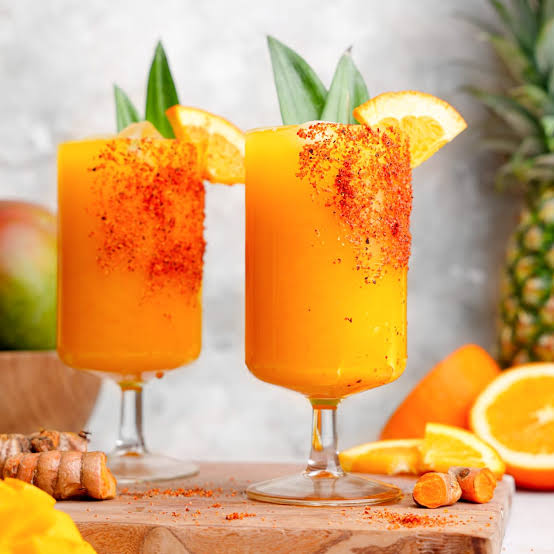

T ropical, fragrant and naturally lush, this serving builds its character around ripe mango, full fruit aroma and a smooth nectar-like body. The first taste brings ripe mango sweetness with a full fruit character and a smooth tropical finish. The flavours feel immediately recognisable, but careful proportion keeps the experience polished rather than ordinary. There is enough personality to make the serving memorable, while the overall balance stays comfortable from the first bite or sip to the last.
Its character comes from contrast, proportion and careful presentation. The preparation is at its best when it is blended or pressed to retain the ripe fruit character while keeping the texture easy to drink. This approach protects the identity of the main ingredients and prevents sauce, seasoning or garnish from taking over. The aroma arrives as ripe mango with warm tropical fruit notes, giving an appetising preview before the food or drink reaches the palate. Once tasted, those aromatic notes settle naturally into the main flavour rather than sitting separately from it.
Texture is a major part of the experience. The ideal result is smooth, juicy and slightly lush on the palate. That balance makes the serving feel complete without becoming unnecessarily heavy. This gives the serving a natural rhythm: the opening bite or sip feels clear, the middle carries the richer or more aromatic notes, and the finish becomes sweet, tropical and rounded. That progression is what keeps the experience interesting instead of flat or repetitive.

The ingredients work best when each one remains easy to recognise. The central idea is ripe mango, full fruit aroma and a smooth nectar-like body, so supporting flavours should add contrast rather than cover it. Salt, acidity, creaminess, spice, herbs or sweetness can all play a role, but they are most effective when they frame the main character. A well-balanced serving therefore feels generous without becoming confused, and flavourful without becoming exhausting.
Pairing is straightforward because the profile sits comfortably beside breakfast, spicy dishes, grilled meals and desserts. Richer sides can make the meal feel more substantial, while fresher accompaniments create contrast and keep the palate lively. The best combinations respect the core flavour instead of competing with it, allowing the main serving to stay clearly in focus even as the meal becomes more complete.
Presentation should remain confident and food-led. The strongest visual approach highlights a vivid golden-orange colour with a naturally rich appearance. Rather than relying on excessive decoration, a few purposeful details - clean edges, visible texture, natural colour and a restrained garnish - make the serving look premium. The visual treatment should suggest freshness, temperature and texture immediately, so the customer can almost anticipate the first bite or sip from the photograph alone.
Aroma adds another layer to the experience. Ripe mango with warm tropical fruit notes notes are most appealing when they feel fresh and connected to the preparation itself. Correct serving temperature helps those aromas stay clear: too cold can mute them, while excessive heat can flatten more delicate notes. Served properly, the aroma works with the flavour and gives the serving a more complete, satisfying character.
The finish deserves as much attention as the first impression. Here it should feel sweet, tropical and rounded. A clean finish makes the next bite or sip inviting, while a richer finish should linger just enough to feel satisfying without overwhelming the palate. This balance is especially useful in a full meal, where the serving needs enough character to stand out but enough restraint to work alongside other dishes and drinks.

For contrast, the most successful accompaniments are those that respond to ripe mango sweetness with a full fruit character and a smooth tropical finish. Fresh or acidic sides can cut through richness; creamy elements can soften spice or char; crisp textures can bring energy to softer preparations; and warm savoury sides can reinforce comforting flavours. The aim is not to add more for the sake of it, but to make every component of the meal feel intentional.
Serving technique completes the result. It is best well chilled in a clear glass. Timing matters because temperature and texture change quickly once a dish or drink is ready. Serving at the right moment keeps the most appealing qualities intact - crispness stays crisp, creamy textures remain smooth, tender ingredients stay succulent, and chilled drinks keep their refreshing edge.
Visually, the serving should communicate quality without looking artificial. A vivid golden-orange colour with a naturally rich appearance provides enough colour and structure for a premium presentation, while close details can reveal the textures that make the item appealing. Natural highlights, visible ingredients and a clean background help the food remain the centre of attention, which is exactly where it should be.

The final impression is one of confidence and balance. Built around ripe mango, full fruit aroma and a smooth nectar-like body, the serving delivers a clear sensory identity, a satisfying texture and a finish that encourages another bite or sip. It works because the preparation, flavour, aroma and presentation all point in the same direction. Served with care, it feels familiar enough to be welcoming and refined enough to deserve a place on a premium menu.
A carefully timed serving brings the experience together: aroma, texture, colour and flavour remain clear, while the final impression stays polished and approachable. For an online menu, this balance helps the photography and written description support each other, giving customers a confident sense of what to expect before ordering.
A carefully timed serving brings the experience together: aroma, texture, colour and flavour remain clear, while the final impression stays polished and approachable. For an online menu, this balance helps the photography and written description support each other, giving customers a confident sense of what to expect before ordering.
A carefully timed serving brings the experience together: aroma, texture, colour and flavour remain clear, while the final impression stays polished and approachable. For an online menu, this balance helps the photography and written description support each other, giving customers a confident sense of what to expect before ordering.